School is letting out, your vacation is planned, and the heat is turning up outside—that’s how you know summer is (unofficially) here. Before you grab your cooler and park yourself poolside until further notice, it’s important to remember the essentials when it comes to having fun in the sun. As The Vision Council Foundation gears up for the annual National Sunglasses Day celebrations on June 27, we want to share how you can protect yourself from damaging UV rays all season long.
Grab Your Sunglasses
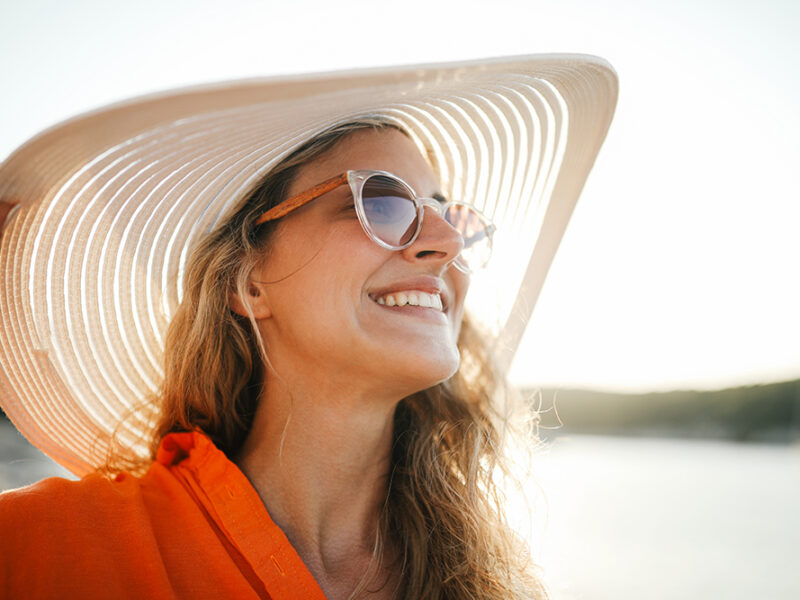
Sunglasses are more than a fashion accessory; they’re a wellness necessity. Just like any other part of your body, your eyes are vulnerable to UV radiation. Prolonged sun exposure without proper eye protection can lead to dry, irritated, sunburnt eyes, and increases the risk of eye cancers or cataracts.
*Did You Know? According to the American Academy of Ophthalmology, UV exposure, combined with wind, dust, or sand, can lead to Pinguecula and a Pterygium (AKA “Surfer’s Eye”). These are growths on the clear tissue on the white part of your eye. Many swim goggles today offer UV protection, leaving no excuse to leave your eyes vulnerable to harsh summer conditions.
Lather on the SPF
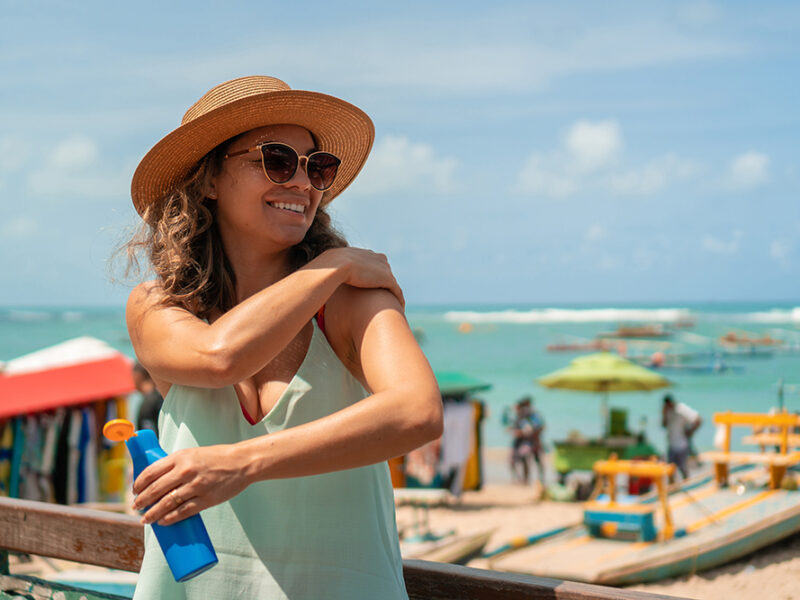
Sunscreen is probably the first line of defense when you think of sun protection. As The Skin Cancer Foundation says, “the best sunscreen is the one you will use every day.” SPF, or Sun Protection Factor, gauges how long it would take for UVB rays to burn your skin with sunscreen compared to without. There are endless options out there to ensure everyone’s covered. As UV radiation is a human carcinogen, lathering your body in at least one shot glass full of sunscreen a day and remembering to reapply greatly lowers your risk of skin cancer.
Coverage is Key
When you can, stay covered. Choose to walk the tree-lined street or pack an umbrella for your beach trip. While these aren’t guaranteed safeguards against UV rays, they can certainly lessen the impact of full-on exposure. If you want to go the extra mile, consider covering up with UPF (ultraviolet protection factor) fabrics that will absorb or block UV radiation. Protection varies depending on a number of variables such as material, fit, and color, but is a great step in the foundation of UV safety.
Lend a Hand to Others
Both aging skin and newborn skin are much thinner than average adult skin, and less resilient to sun damage. Take a moment to help out your friends or family members who might be more vulnerable to UV rays. Consider picking up a pair of sunglasses designed for children or a pair of fitovers designed to cover prescription eyewear and share a spritz of sunscreen.
Stay Informed on UV Conditions
The Environmental Protection Agency states that the sun’s rays are strongest between the hours of 10 a.m. and 4 p.m. Take the time to pull out your phone and check not only the weather conditions before heading outdoors, but also the UV index. The UV index takes into account location, elevation, time of day, and more environmental factors to provide an estimate of the level of UV radiation reaching the ground. Tools like AccuWeather’s AccuLumen Brightness Index™, combined with understanding UV peaks, help paint a picture of the conditions that lie ahead, allowing you to adequately prepare.
As another Skin Cancer Awareness Month comes to an end, we want to remind everyone to embrace the sun in a healthy way this upcoming summer. Even on those cloudy days, UV rays can still penetrate. Make sure your bases are covered and ensure you enjoy the outdoors responsibly.